
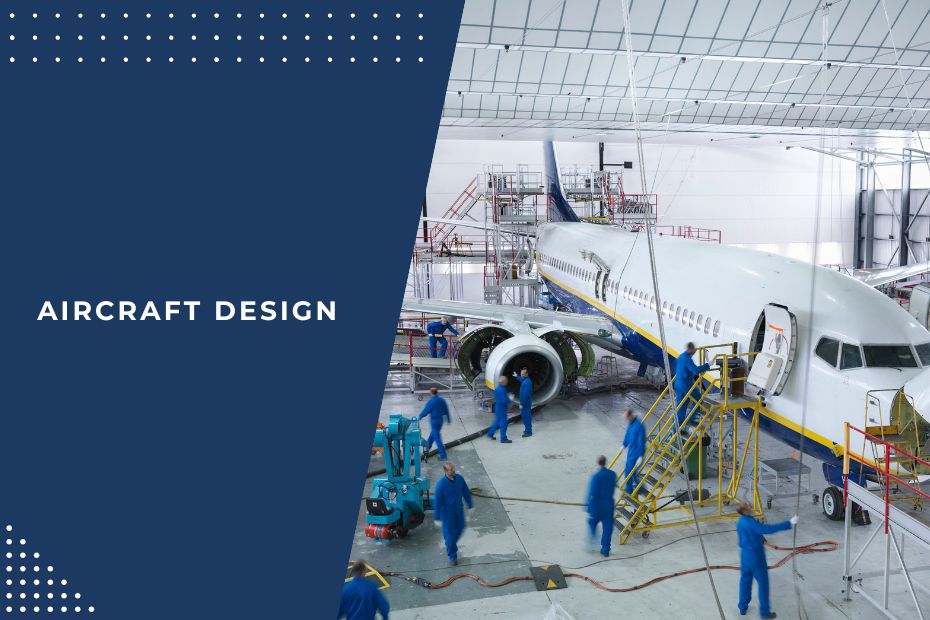
Aircraft design is a delicate dance between artistic imagination and scientific rigor. Every curve, every rivet, and every component serves a purpose, blending form and function to create machines capable of soaring through the skies. As someone deeply immersed in the world of aeronautics, I’ve seen how this intricate process transforms an idea into an engineering marvel. Let’s dive into the fascinating stages of aircraft design and the principles that guide this incredible journey.
Conceptual Design: Where Ideas Take Flight
The first step in aircraft design is the conceptual phase, where the foundation of the project is laid. This stage begins with defining the aircraft’s purpose. Is it meant for commercial transport, military operations, or private recreation? Each purpose comes with its own set of requirements, from passenger capacity and range to speed and maneuverability.
Sketching and modeling come next, often aided by advanced computer-aided design (CAD) tools. These initial designs explore options like wing placement, fuselage shape, and propulsion systems. The goal at this stage is to create a vision that balances performance, safety, and practicality.
Preliminary Design: Refining the Vision
Once the concept is outlined, the preliminary design phase refines the initial ideas into something more concrete. Engineers perform aerodynamic analyses, structural evaluations, and material selection during this stage. The use of computational simulations and wind tunnel testing helps assess how the design performs under various conditions.
This phase also involves optimizing key performance metrics such as lift, drag, and stability. Adjustments are made iteratively to ensure the design meets the desired specifications. For instance, tweaking the angle of the wings can significantly affect lift, while reducing drag is critical for improving fuel efficiency.
Detailed Design: Perfecting Every Component
The detailed design phase is where every element of the aircraft is meticulously planned. Engineers create detailed blueprints and manufacturing specifications for each component, from the landing gear to the avionics. This stage ensures that the aircraft can be built efficiently and maintained effectively throughout its lifecycle.
Material selection becomes crucial here. Advanced composites and lightweight metals are often used to balance strength and weight, ensuring the aircraft is both durable and fuel-efficient. Engineers also consider factors like ease of assembly and repair to minimize costs during production and operation.
Mastering Aerodynamics: The Key to Flight
At the heart of aircraft design lies aerodynamics, the science of how air interacts with objects in motion. Four primary forces govern flight:
- Lift: The upward force generated by the wings as air flows over them. It must counteract the aircraft’s weight to achieve flight.
- Drag: The resistance encountered as the aircraft moves through the air, which designers strive to minimize.
- Thrust: The forward force provided by engines or propellers, overcoming drag to keep the aircraft moving.
- Weight: The gravitational force pulling the aircraft downward, balanced by lift during flight.
Balancing these forces is no small feat. Wing shape, engine power, and overall design all play a role in optimizing performance. Aerodynamic efficiency translates directly into better fuel economy and higher speeds.
Ensuring Structural Integrity
Aircraft face extreme stresses during operation, from the pressure difference between the cabin and the outside atmosphere to the turbulence encountered during flight. Structural integrity is non-negotiable. Engineers design the airframe to withstand these stresses while remaining as light as possible.
Finite element analysis (FEA) is a common tool used to test the strength of materials and components virtually before physical prototypes are built. This ensures that every part of the aircraft, from the fuselage to the landing gear, can endure the demands of flight safely.
Advanced Technology in Modern Aircraft
Modern aircraft design benefits from cutting-edge technology. Fly-by-wire systems, for example, replace traditional mechanical controls with electronic systems, improving precision and reducing weight. Avionics have also become more sophisticated, integrating GPS, automated navigation, and real-time data analytics for better decision-making.
Materials science has revolutionized aircraft construction. Carbon-fiber composites, for instance, offer incredible strength-to-weight ratios, enabling lighter and more fuel-efficient planes. These advancements enhance performance and reduce environmental impact.
The Role of Testing and Certification
Before any aircraft takes to the skies, it must undergo rigorous testing and certification processes. Prototypes are built and subjected to exhaustive trials, including wind tunnel tests, structural stress tests, and flight simulations. These tests ensure the design meets safety and performance standards.
Flight testing is the final step, where pilots put the aircraft through its paces in real-world conditions. Certification authorities, such as the FAA or EASA, review the results to ensure the aircraft complies with all regulations. Only after passing these tests can the aircraft enter production and service.
Key Elements of Aircraft Design
- Define purpose and initial concept.
- Optimize aerodynamics for performance.
- Select lightweight, durable materials.
- Balance lift, drag, thrust, and weight.
- Ensure structural integrity through testing.
- Incorporate advanced avionics and systems.
- Complete rigorous testing for certification.
In Conclusion
Aircraft design is a remarkable blend of art and science, where creativity meets precision engineering. From the initial concept to the final flight test, every step in the process is guided by a commitment to performance, safety, and innovation. As technology continues to advance, the future of aeronautics promises even greater efficiency and capabilities. By mastering the principles of flight and embracing new technologies, engineers will continue to push the boundaries of what’s possible in the skies.

Robert Wilkos is the co-founder of VIPJets.com and a private aviation executive leading luxury charter services through a global network of 10,000+ aircraft. He champions rigorous Wyvern/ARGUS safety standards, 24/7 concierge support, and flexible options like the 25-Hour Jet Card, along with ground and air-medical transport.