
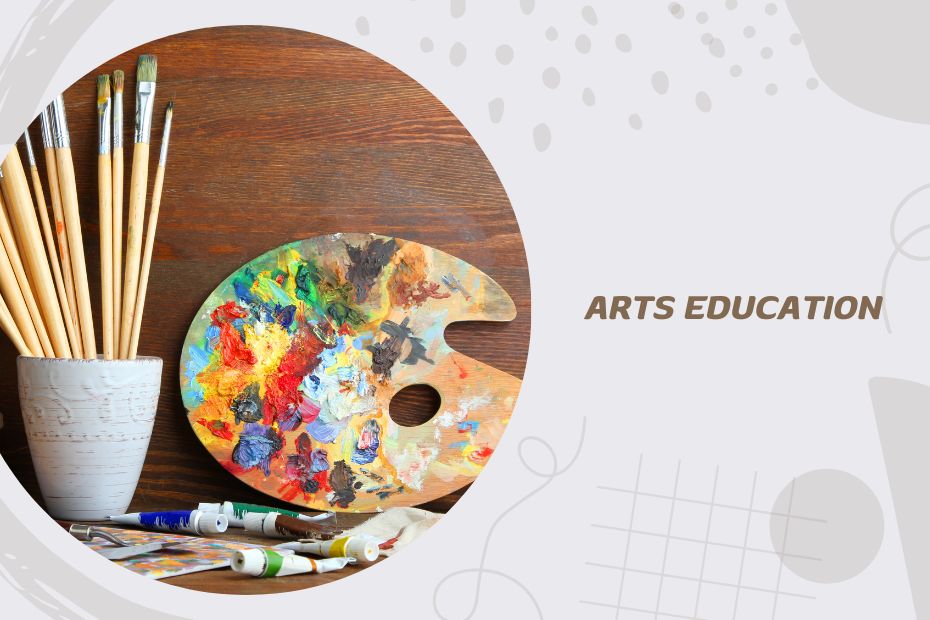
Arts education plays a vital role in the development of individuals, from early childhood through adulthood. Whether it’s painting, music, theater, or dance, engaging with the arts fosters creativity, emotional growth, and cognitive development. Despite the clear benefits, many educational systems often place the arts in a secondary position compared to other subjects like math and science. In this article, I’ll explore the reasons why arts education is essential for people of all ages and how it contributes to both personal and academic success.
Enhancing Creativity and Innovation
At its core, arts education nurtures creativity—an essential skill in virtually every profession. From problem-solving to developing new ideas, the creative process learned through the arts helps individuals think outside the box. Children who engage with the arts are more likely to develop innovative thinking patterns that can benefit them in all areas of life, including science and technology. Research shows that students who participate in arts programs tend to excel in fields requiring innovative solutions.
For adults, the arts offer an opportunity to continue developing creative skills. In professional environments, creativity is a prized asset, whether it’s in leadership, project management, or product development. Engaging in creative activities helps to stimulate the brain, keeping it flexible and open to new ideas.
Improving Academic Performance
Arts education doesn’t just enhance creativity—it also positively impacts academic performance. Studies show that students who are involved in the arts tend to score higher in standardized tests and demonstrate better problem-solving skills. Arts education strengthens cognitive abilities like memory and focus, which can help students excel in subjects like mathematics and reading.
The integration of arts into the curriculum has been shown to boost overall engagement with learning. This engagement leads to a deeper understanding of academic content and improves retention, making arts education not just a creative outlet but also a tool for academic achievement.
Developing Emotional Intelligence
Participating in the arts encourages individuals to explore their emotions and express them in a constructive way. Whether through painting, theater, or music, the arts give individuals a platform to process and communicate complex feelings, which is particularly important for younger children as they learn to navigate their emotions. By developing emotional intelligence, arts education helps individuals build better relationships and improve their ability to handle social interactions.
This emotional growth is beneficial for personal development and translates into the workplace. Adults who have been exposed to the arts are better at understanding others’ emotions, leading to more empathetic leadership and collaboration.
Promoting Cultural Awareness and Empathy
The arts are a powerful tool for fostering cultural awareness and empathy. Exposure to different art forms and cultures through education allows individuals to appreciate the diversity of human experience. Arts education promotes an understanding of different cultures, histories, and perspectives, encouraging individuals to be more open-minded and accepting of others.
In schools, integrating arts from diverse backgrounds can help reduce stereotypes and promote tolerance, while in adulthood, engaging with the arts can help people connect with others from different walks of life. The arts build bridges, fostering a more inclusive and compassionate society.
Supporting Mental Health and Wellbeing
Engaging with the arts has been shown to reduce stress and improve mental health. Whether creating art or experiencing it, individuals benefit from the therapeutic effects of artistic expression. For children, this can be a vital outlet to manage stress or anxiety related to academic pressures. For adults, engaging in the arts provides a way to disconnect from the daily grind and focus on personal growth and emotional wellbeing.
In addition to reducing stress, the arts help people feel a sense of accomplishment. Completing a painting, performing in a play, or mastering a musical piece gives individuals a sense of purpose and achievement, which contributes to overall mental health.
Building Lifelong Skills
Arts education is not just about mastering a craft; it’s about building lifelong skills that benefit individuals in all aspects of their lives. Time management, discipline, teamwork, and perseverance are just a few of the valuable skills that come from participating in arts programs. These skills translate into personal and professional success, helping individuals excel in their careers and personal endeavors.
For children, participating in group activities like theater or music ensembles teaches collaboration and communication skills. Adults who continue to engage in the arts often find that these skills enhance their ability to work effectively in team settings or manage projects.
Fostering a Lifelong Love of Learning
One of the most profound benefits of arts education is that it fosters a lifelong love of learning. Engaging with the arts keeps the mind curious and open to new experiences, no matter the age. Whether it’s learning a new instrument or picking up a brush to paint, arts education encourages continual growth and exploration.
This curiosity extends beyond the arts and into other areas of life, encouraging individuals to pursue new hobbies, careers, or academic interests throughout their lives. The arts inspire a passion for discovery and personal expression, keeping people engaged and motivated to learn new things.
Key Reasons Why Arts Education Matters for All Ages
- Boosts Creativity and Innovation: Arts help foster original thinking and creative problem-solving.
- Enhances Academic Performance: Involvement in arts programs can improve cognitive abilities and lead to better grades.
- Supports Emotional Development: Arts provide a platform for expressing and understanding emotions.
- Encourages Cultural Awareness: Exposure to different artistic traditions fosters empathy and acceptance.
- Promotes Mental Wellbeing: Arts activities reduce stress and offer emotional relief.
In Conclusion
Arts education is essential for individuals of all ages, offering benefits that extend beyond the classroom or the art studio. From improving academic performance to supporting emotional and mental health, the arts are a vital component of a well-rounded education. As schools and communities work to prioritize the arts, we can ensure that every individual, regardless of age, has the opportunity to grow creatively, emotionally, and intellectually. Whether you’re a student just starting out or an adult looking to reconnect with your creative side, engaging with the arts will enrich your life in countless ways.

Robert Wilkos is the co-founder of VIPJets.com and a private aviation executive leading luxury charter services through a global network of 10,000+ aircraft. He champions rigorous Wyvern/ARGUS safety standards, 24/7 concierge support, and flexible options like the 25-Hour Jet Card, along with ground and air-medical transport.